
⚡ The Quick Answer
The main difference is the cooking method. Tequila agave is steamed in ovens (clean flavor). Mezcal agave is roasted in underground pits with wood and rocks (smoky flavor). Also, Tequila can only be made from 1 type of agave; Mezcal can be made from 40+.
The Cheat Sheet: Side-by-Side Comparison
| Feature | Tequila 🔵 | Mezcal 🟢 |
|---|---|---|
| Agave Plant | Only 1 Species (Blue Weber) | 40+ Species (Espadín, Tobalá, Tepeztate...) |
| Region | Jalisco (mostly) | Oaxaca (mostly), +8 other states |
| Cooking | Steamed (Autoclaves or Brick Ovens) | Roasted Underground (Earthen Pit with Wood/Rocks) |
| Flavor | Clean, citrus, vanilla, pepper | Complex, smoky, earthy, floral |
Difference #1: The Plant (Monoculture vs. Biodiversity)
Imagine if all wine in the world had to be made from only Chardonnay grapes. That is the world of Tequila. By law, it must be produced using only the Agave Tequilana Weber (Blue Weber).
Mezcal is like the rest of the wine world combined. It can be produced from over 40 different species of agave, both wild and cultivated.
- Espadín: The "standard" agave (comparable to Blue Weber).
- Tobalá: Small, wild, floral.
- Tepeztate: Giant, spicy, takes 25 years to grow.
This biodiversity means mezcal offers a much wider spectrum of flavors than tequila.
Difference #2: The Cooking (Steam vs. Smoke)
This is where the magic happens.
Tequila is designed to be efficient. The agave hearts are steamed in above-ground ovens or industrial autoclaves (pressure cookers). No smoke touches the plant.
Mezcal is cooked in a conical pit dug into the ground (a horno).
- A fire is built at the bottom with local wood.
- River stones are thrown on top to absorb the heat.
- The agave hearts are piled on the hot stones.
- The whole mound is buried with earth and left to roast for 3-5 days.
The agave absorbs the aromas of the earth and the smoke from the wood. This is why mezcal tastes "smoky."
Difference #3: The Culture
Tequila is an industrial powerhouse. It is Mexico's most famous export, produced in massive factories.
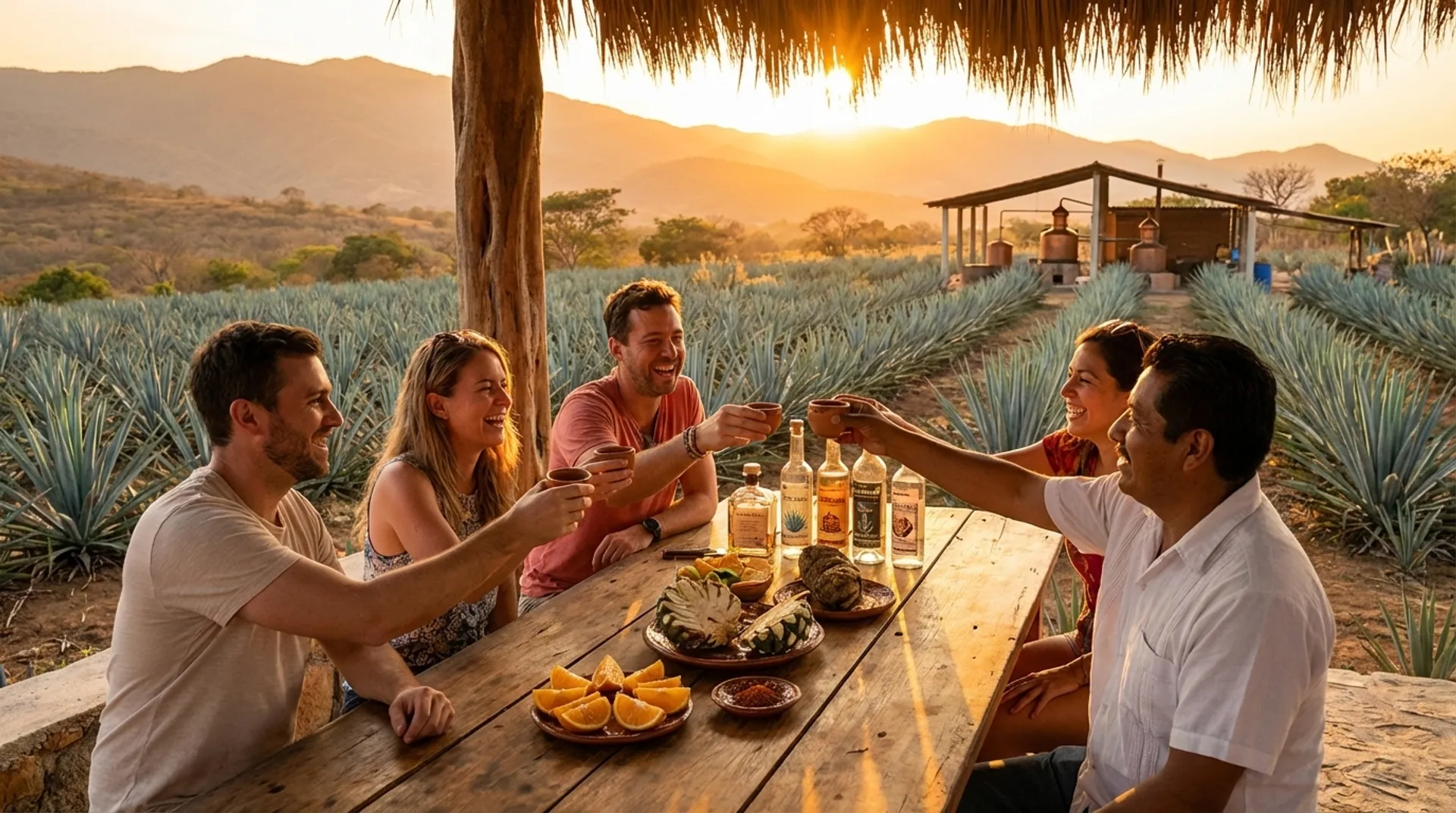
Mezcal—until very recently—was a village spirit. It is still largely produced by families on small farms (palenques) using horses to crush the agave and wood fires to distill it. When you drink mezcal, you are drinking something made by hand, not a computer-controlled diffuser.
Taste the Difference Yourself
Reading about smoke and earth is one thing. Tasting a wild Tepeztate straight from the still is another.

AboutDiego Garcia
Senior Mezcal Reviewer & Industry Expert
Mezcal specialist with 15 years of experience in the Oaxacan spirits industry. Dedicated to preserving traditional production methods.
Read full profile & articles